
5 Holiday Photo Ideas for Your Dog

Forget the struggle — these five photo setups work with your dog's short attention span using natural light, smart posing, and props they'll actually tolerate.
Holiday dog photos shouldn't feel like wrestling matches. You want that perfect shot for your cards, your Instagram, or just your own memories. But your dog has other plans — like chasing that tennis ball or investigating that interesting smell.
The secret to great holiday dog photos isn't expensive equipment or professional skills. It's about understanding how dogs think and working with their nature, rather than against it. Natural light beats flash every time. Short sessions work better than marathon shoots—simple props trump elaborate setups.
We're breaking down five specific photo ideas that actually work for real dogs with real attention spans. Let's get those tails wagging and those cameras clicking.
Light
Lighting makes or breaks dog photography. Dogs don't understand "hold still while I adjust the flash." They just know something bright startled them. Natural light eliminates that problem.
Golden Hour Magic
Shoot during the hour after sunrise or before sunset. The light is soft, warm, and flattering. Your dog's coat shows texture and dimension—no harsh shadows. No squinting.
Position your dog so light hits them from the side or slightly from behind. This creates depth and that professional "glow" look.
Pro tip: If you're shooting indoors, position your dog near a large window during golden hour. You get the same quality light without having to go outside.
Overcast Days Are Your Friend
Cloudy skies act like a giant softbox. The light is even, diffused, and eliminates harsh shadows. Colors appear more saturated. Your dog's eyes won't reflect weird highlights.
Shoot outside on overcast days for consistently good results—no need to worry about sun position or timing.
Indoor Window Light
Large windows provide a beautiful source of natural light for indoor shoots. Position your dog 3 to 4 feet from the window. Turn off all artificial lights — they create competing color temperatures that look unnatural.
If one side of your dog is too dark, use a white poster board or foam core as a reflector. Bounce the window light back onto the shadowed side.
Avoid Direct Overhead Sun
Midday sun creates raccoon eyes on dogs. Shadows pool under their eyes, nose, and chin. It's unflattering and hard to fix in editing.
If you must shoot in bright sun, find open shade under a tree or building overhang. You want bright ambient light without direct sun hitting your dog.
Bokeh Background Lights
Those blurry, glowing orbs in the background? That's bokeh. Create it by positioning string lights 6-10 feet behind your dog. Use a wide aperture (f/2.8 or lower if possible). The lights blur into soft circles while your dog stays sharp.
Works beautifully with:
-
Phone cameras in portrait mode
-
Any camera with manual settings
-
Natural light from the front, string lights behind
After capturing the perfect shot, you can turn it into a custom canvas print or personalized poster. These make excellent gifts for family members who adore your pup.
Posing
Dogs don't pose on command. They sit, lie down, or move around. Your job is to capture the moments when they naturally look their best.
The Classic Sit-and-Stare
Position your dog in good light. Have someone stand behind you holding a treat or toy. Get your dog to sit. Wait. They'll naturally look at the person with the treat.
Snap several shots as they focus. You'll catch one with perfect ear position and alert eyes.
Keep sessions under 3 minutes. Dogs lose focus fast. Multiple short sessions beat one long, frustrating attempt.
The Casual Lie-Down
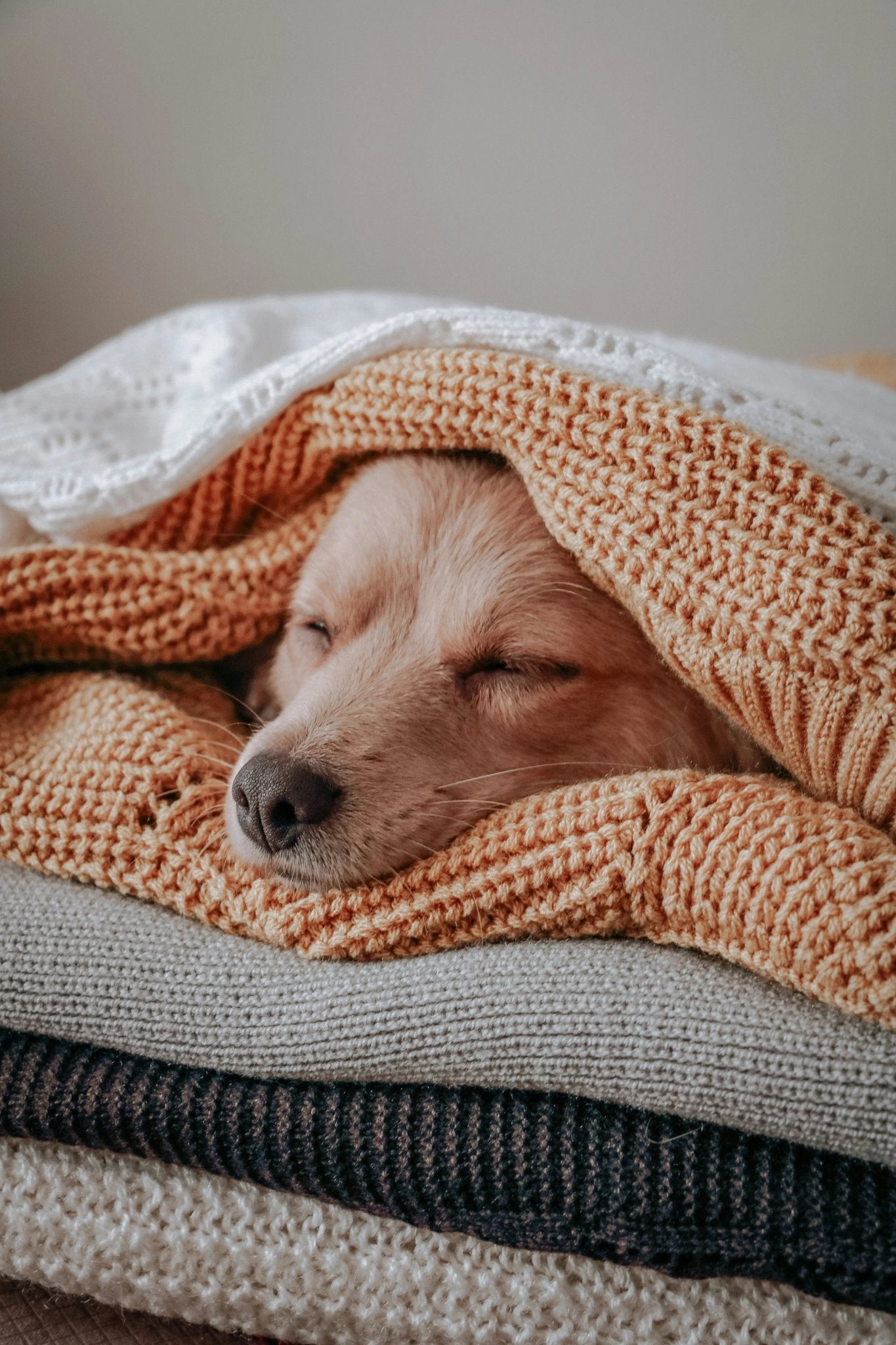
Some dogs appear more natural when lying down than when sitting. Place them on a cozy blanket or their favorite bed. Let them settle naturally.
Shoot from their eye level. Lying on the floor gets you the right angle. Shooting from above makes them look flat and unflattering.
Wait for them to rest their head on their paws or look toward you. Those calm, contemplative moments create beautiful portraits.
The Action Shot
Not every photo needs perfect stillness. Capture your dog mid-play for energetic, joyful shots. Toss a toy and shoot continuously as they chase it.
Use burst mode. You'll get 20 shots and maybe 2 keepers. That's normal. Action photography is a numbers game.
For active dogs, our workout collection features items perfect for their needs. A custom water bottle or yoga mat with your dog's photo makes the final image even more meaningful.
The Over-the-Shoulder Look
This one's trickier but worth it. Position your dog facing away from you. Have someone call their name from behind you. Your dog turns their head to look back.
Capture that moment. It's playful, candid, and shows personality.
The Snuggle Shot
Include yourself in the frame. Sit with your dog. Let them lean against you or rest their head on your lap. Set the camera on a tripod or prop it on furniture. Use the self-timer.
These photos have emotional weight. They're not just pictures of your dog — they're memories of your relationship.
Settings and Props
Props add holiday context without overwhelming your dog. Less is more. One or two well-chosen items always beat a cluttered setup.
Minimal Holiday Backgrounds
Don't build an elaborate set. Use what you already have:
-
Your Christmas tree (out of focus in the background)
-
A simple garland on the wall
-
A red or green blanket
-
A basket with pinecones
Keep the focus on your dog. Props should enhance, not compete.
Comfortable Surfaces
Put your dog on surfaces they actually like. A cold tile floor? They'll want to leave. Their favorite bed or a soft blanket? They'll settle in naturally.
A personalized feeding mat works surprisingly well as a photo prop. The custom design adds personality while providing your dog with a familiar and comfortable spot.
Avoid Costumes (Usually)
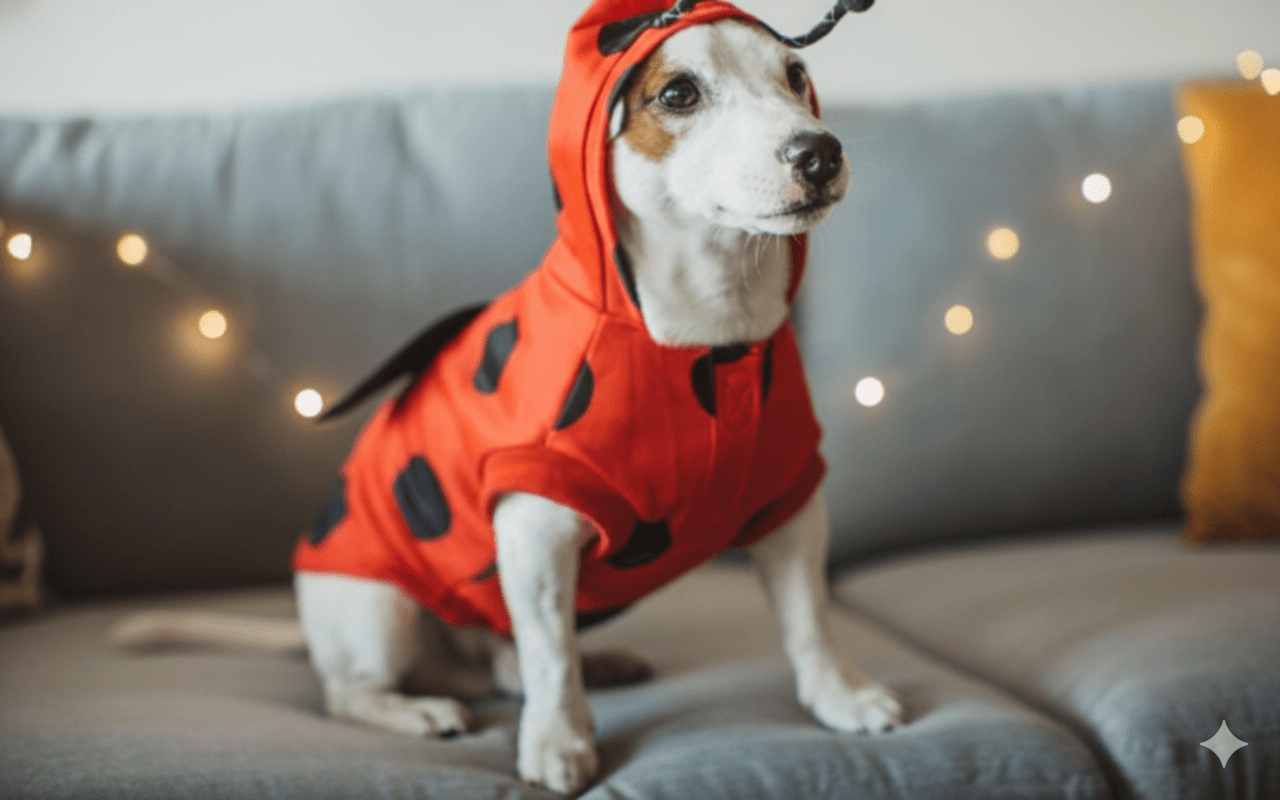
Most dogs tolerate costumes for about 30 seconds before trying to remove them. If you want costume shots, put the outfit on, shoot immediately, then take it off. Don't make them wear it for the entire session.
Simple accessories work better:
-
A festive bandana
-
A bow tie collar
-
A single ribbon
Seasonal Natural Elements
Bring the outdoors in (safely):
-
Pine branches (no needles where dogs can eat them)
-
Pinecones
-
Birch logs
-
Cinnamon sticks (for scent and visual interest)
These add texture and a holiday feel without looking artificial.
Use Treats Strategically
Keep high-value treats nearby but out of frame. Use them to get attention, reward cooperation, and maintain focus. Don't bribe constantly, or your dog will fixate on treats instead of the camera.
Camera Settings for Success
Phone cameras work great for dog portraits. Use portrait mode if available. Tap on your dog's face to focus. Lock exposure by holding your finger on the screen.
For real cameras:
-
Aperture: f/2.8-f/5.6 (blurs background, keeps dog sharp)
-
Shutter speed: 1/250 or faster (freezes movement)
-
ISO: As low as possible while maintaining proper exposure
Shoot in burst mode. Dogs move constantly. Multiple shots increase your chances of catching the perfect moment.
The Three-Minute Rule
Keep each posing setup under 3 minutes. Dogs have short attention spans. When they start looking away, fidgeting, or trying to leave, you're done. Take a break.
Come back in 10 minutes and try again if needed. Forcing a session when your dog is over it guarantees bad photos and a frustrated pup.
Post-Processing Basics
Even great photos need minor adjustments:
-
Slight exposure adjustment
-
Contrast boost for depth
-
Saturation increase (just a touch)
-
Crop for better composition
Don't over-edit. Your dog should still look like themselves. Natural beats heavily filtered every time.
Photo Idea 1: The Window Watcher
Position your dog looking out a window. Shoot from inside, capturing their profile with natural light illuminating their face. The window frame creates a natural border.
Works best during golden hour when exterior light is warm and soft.
Photo Idea 2: Cozy Fireplace Scene
If you have a fireplace (or an electric one), this setup delivers instant holiday vibes. Place your dog on their bed near the hearth. The warm glow creates beautiful side lighting.
Safety first: Never leave dogs unattended near real fires. Shoot quickly, then move them away.
Photo Idea 3: Snowy Outdoor Portrait
Fresh snow makes a stunning backdrop. Everything else disappears. Your dog becomes the sole focus against white.
Shoot on overcast days to avoid harsh sun reflecting off snow. Keep sessions brief — snow is cold on paws.
Pro tip: Bring a towel to wipe paws between shots. Wet paws mean an uncomfortable dog who won't cooperate.
Photo Idea 4: Under the Tree
Position your dog under or near your Christmas tree. The lights create beautiful bokeh in the background. Shoot with lights on, but room lights off for the best effect.
Get down at your dog's level. Shoot horizontally, not from above.
Photo Idea 5: The Wrapped Present
This one's simple but effective. Wrap a large, empty box. Place it next to your dog. They interact with it naturally — sniffing, pawing, looking confused.
Capture those candid moments. The curiosity and confusion on their face create authentic, personality-filled photos.
Turn your favorite shots into custom photo products that let you enjoy these memories all year round. From mugs to blankets to wall art, your holiday photo session can become everyday decor.
FAQs
What's the best time of day for dog photos?
Golden hour — the first hour after sunrise or the last hour before sunset. Light is soft, warm, and flattering. Alternatively, shoot on overcast days when natural light is diffused and even.
How do I keep my dog's attention during photos?
Keep sessions under 3 minutes. Use high-value treats sparingly. Have someone hold a toy behind the camera. Take breaks. Multiple short sessions are more effective than a single long attempt.
Should I use flash photography with dogs?
Avoid it. Flash startles dogs, creates red-eye, and produces harsh shadows. Natural light looks better and keeps your dog comfortable.
What camera settings work best for active dogs?
Use burst mode with a shutter speed of 1/250 or faster. This freezes movement. Shoot in good light so you don't need high ISO, which creates grainy photos.
How many photos should I take to get one good shot?
Expect a 1:10 ratio. Take 50 photos, get 5 good ones. With action shots, the ratio is closer to 1:20. That's normal. Professional photographers shoot hundreds for a handful of keepers.
Can I include props without stressing my dog?
Yes. Use minimal props your dog already knows — their bed, favorite blanket, or toys. Introduce new items gradually before the photo session. Skip anything that requires forcing or restraint.
What if my dog won't look at the camera?
Don't force it. Profile shots and natural poses work beautifully. Have someone hold treats behind the camera to draw their gaze when you want eye contact.
Conclusion
Holiday dog photos don't require professional equipment or perfect behavior. They require patience, good light, and realistic expectations. Your dog doesn't need to sit perfectly still for 10 minutes. You just need to capture a few seconds when everything aligns.
Work with your dog's natural behavior. Keep sessions short. Use treats strategically. Shoot in natural light. These fundamentals create better photos than any fancy equipment.
The best holiday photo is the one that captures your dog's personality. That could be a perfect posed portrait. It could be them mid-play with wrapping paper. Either way, you're creating memories that matter.
Photo-ready picks at ShaggyChic.com 🐶 | Follow @shaggychicinc
holiday dog photo ideas, dog portrait tips