


Article: Why Small Dogs “Overreact”: Understanding Alert Barking
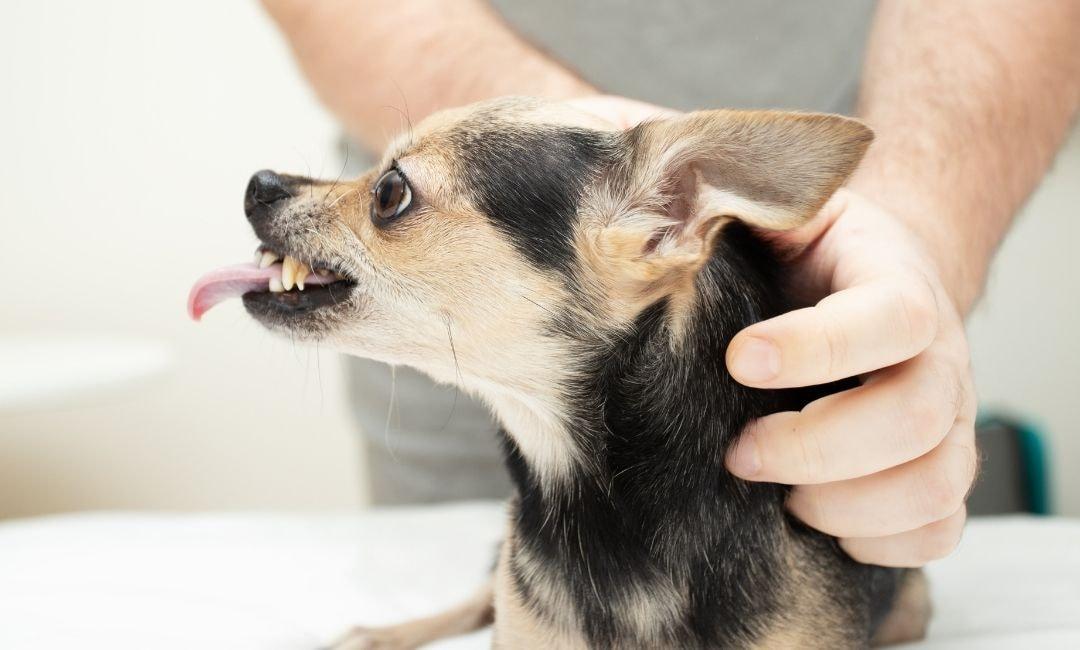
Why Small Dogs “Overreact”: Understanding Alert Barking

That Chihuahua lunging at the Labrador isn't broken. Understanding the real reasons behind small dog reactivity changes everything.
Small dogs have a reputation. Yappy. Reactive. Dramatic. The stereotype suggests something inherent in tiny packages makes them bark at everything.
But research tells a different story. Studies from the University of Veterinary Medicine in Vienna found that small dogs aren't genetically predisposed to bark more. The difference lies almost entirely in how owners treat them. Same species, different expectations, different outcomes.
Understanding why small dogs seem to overreact isn't just about reducing noise. It's about recognizing what your dog is actually communicating.
The Science Behind Small Dog Behavior
Research comparing small and large dogs reveals three consistent behavioral differences:
|
Behavior |
Small Dogs |
Large Dogs |
|
Obedience |
Less reliable with commands |
More consistent response |
|
Excitability |
More reactive to stimuli |
Calmer around triggers |
|
Anxiety |
More fearful and easily spooked |
More confident in new situations |
These differences appear dramatic. But they're not genetic. The same studies found three owner behaviors that predict these outcomes: inconsistent training, fewer shared activities, and more frequent punishment.
When researchers controlled for these factors, the behavioral gap between small and large dogs nearly disappeared.
Why Size Creates Vulnerability

Small dogs experience the world differently from large dogs. This matters.
-
Physical disadvantage: A 6-pound Chihuahua faces genuine vulnerability when encountering an 80-pound Labrador. In evolutionary terms, small animals that failed to recognize threats didn't survive. Barking compensates for what size cannot provide.
-
Sensory sensitivity: Small dogs may perceive high-pitched sounds more acutely than larger breeds. They detect potential dangers earlier and more frequently, triggering more alert responses.
-
Elevated heart rates: Smaller bodies mean faster metabolisms and naturally higher baseline arousal. Small dogs exist in a more activated physiological state, making reactive responses easier to trigger.
The Owner Factor
Here's where it gets uncomfortable. Research consistently shows that owner behavior drives most excessive barking in small dogs.
Inconsistent Training
Small dog owners are significantly less consistent in their training than large dog owners. Rules change. Commands vary. Sometimes barking gets corrected, sometimes it doesn't.
This inconsistency confuses dogs. Without clear expectations, they default to instinct.
Fewer Shared Activities
Large dogs get walked more, played with more, and trained more formally. Small dogs often miss out because their size makes it seem less necessary.
But mental stimulation and physical exercise reduce barking regardless of size. A tired dog is a quiet dog.
The "Pick Them Up" Problem
When a small dog reacts fearfully, owners often scoop them up. This feels protective but teaches the dog that fearful reactions produce comfort and escape.
A dog that never learns to navigate challenging situations never develops confidence. The pattern reinforces itself.
Alert Barking vs. Problem Barking

Not all barking is problematic. Understanding the difference helps you respond appropriately.
-
Alert barking: One or two barks when something unusual happens. A knock at the door. A stranger walking past. This is communication, and it's normal.
-
Problem barking: Continuous, escalating, or triggered by ordinary stimuli that shouldn't require alarm. The mail carrier who comes daily. Every passing dog. Leaves blowing in the wind.
Alert barking deserves acknowledgment. Problem barking needs management.
Training Approaches That Work
Positive reinforcement produces better results than punishment for all dogs, but the effect is especially pronounced in small breeds. Research shows punishment makes small dogs more anxious and reactive, worsening the behaviors it's meant to correct.
Acknowledge, Then Redirect
When your dog alerts to something legitimate, acknowledge it. "Good dog, I see it." Then redirect to an incompatible behavior like going to their bed.
This validates their communication while teaching them that one or two barks is sufficient.
Teach "Quiet" as a Skill
Wait for any pause in barking, even a breath between barks. Mark that moment with a treat. Gradually extend the quiet duration required before rewarding.
Eventually, add a verbal cue. Your dog learns that silence earns rewards.
Desensitize Triggers
Identify what triggers reactive barking. Introduce that trigger at a distance or intensity that doesn't provoke barking, then reward calm behavior. Gradually increase exposure.
This teaches your dog that previously scary things predict good outcomes.
Remove Visual Stimuli
If your dog barks at passersby through windows, block the view. Privacy film, curtains, or rearranging furniture eliminates the trigger entirely.
You can't bark at what you can't see.
What Not to Do
-
Yelling: Your dog interprets yelling as you joining the barking. It escalates rather than resolves the behavior.
-
Punishment: Shock collars, spray collars, and physical corrections create anxiety. Anxious dogs bark more, not less.
-
Inconsistency: Allowing barking sometimes but correcting it other times teaches nothing except confusion.
Building Confidence Through Experience

The solution to reactive barking isn't suppression. It's confidence.
Dogs bark at what frightens them. Confident dogs feel less fear. Building confidence requires positive exposure to the things that currently trigger reactivity.
Let your small dog walk on their own feet instead of being carried. Allow them to investigate new situations at their own pace. Reward brave behavior with treats and praise.
Shaggy Chic's Custom Pet Photo Pillow provides comfort in their designated safe space, giving anxious dogs a familiar scent and texture to return to after challenging experiences.
For dogs who need visible identification during training walks, a Personalized Pet Name Collar ensures they're identifiable while building outdoor confidence.
Conclusion
Small dogs don't overreact because they're small. They react to a world that feels threatening when they haven't been given tools to cope.
The research is clear: consistent training, adequate exercise, shared activities, and positive reinforcement produce calm, confident small dogs. The stereotype of the yappy small dog isn't destiny. It's a training gap that closes with effort.
Your small dog isn't broken. They're communicating the only way they know how. Teach them better options, and they'll use them.
FAQs
Are small dogs genetically more prone to barking?
No. Research shows that behavioral differences between small and large dogs stem primarily from owner behavior, not genetics. Inconsistent training, fewer activities, and different treatment explain most of the gap.
Why does my small dog bark at large dogs?
Size disparity creates genuine vulnerability. Your dog may feel threatened and uses barking to appear larger and more intimidating. Building positive associations with larger dogs through controlled exposure reduces this behavior.
Should I pick up my small dog when they bark reactively?
Generally no. Picking them up rewards the reactive behavior and prevents them from learning to cope. Instead, create distance by calmly walking away while keeping them on the ground.
How do I stop alert barking at the door?
Acknowledge the first bark or two, then redirect to a trained behavior like going to their bed. Reward quiet compliance. Your dog learns that alerting once is their job; continuous barking isn't necessary.
Is it too late to train an older small dog to bark less?
No. While puppies learn faster, adult dogs respond to consistent positive reinforcement training. Patience and consistency matter more than age.