


The Spring Shed & Bath Reset: Preparing Coats for a New Season

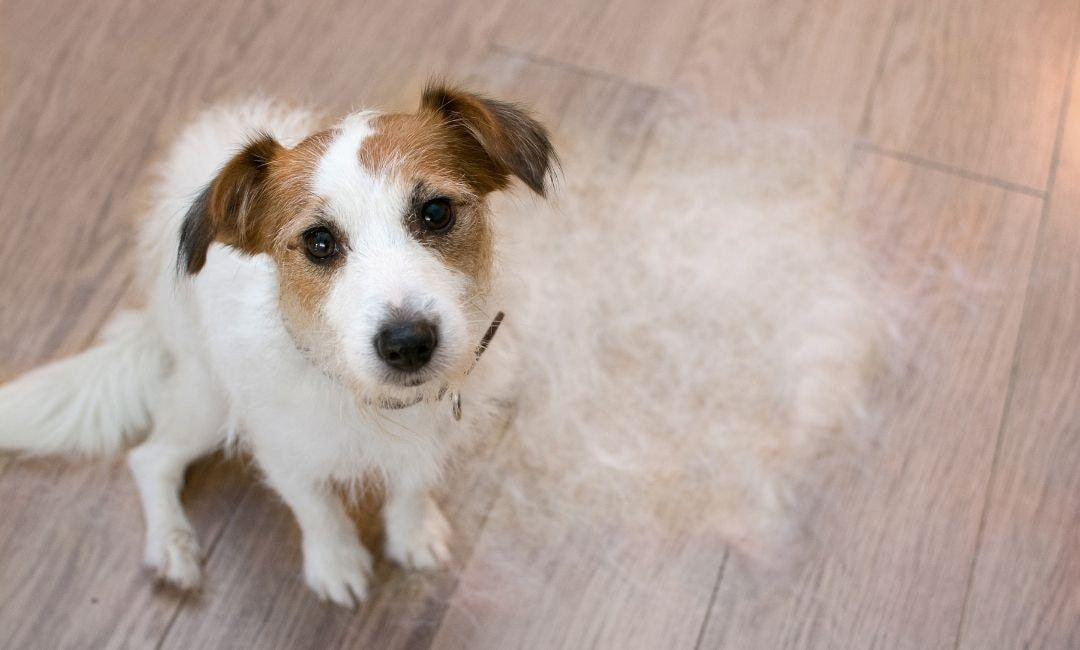
That tumbleweed of fur rolling across your floor isn't a problem. It's a biological process with a timeline and a solution.
Spring triggers something dramatic in dogs. As daylight hours increase and temperatures rise, hormonal shifts signal their bodies to shed the thick winter undercoat they no longer need.
This process, called "blowing coat," creates 2-4 weeks of intense shedding that leaves fur on every surface you own. Double-coated breeds like Huskies, Golden Retrievers, and German Shepherds turn shedding into an art form during this period.
The good news: spring shedding is manageable. With the right approach to brushing, bathing, and nutrition, you can speed through it while keeping your dog comfortable and your vacuum from staging a rebellion.
Understanding the Spring Shed Cycle
Shedding isn't random. It follows a predictable biological pattern controlled by light exposure and hormonal changes.
The Hair Growth Cycle:
|
Phase |
What Happens |
Duration |
|
Anagen |
New hair actively grows |
Weeks to months |
|
Catagen |
Hair reaches maximum length |
2-3 weeks |
|
Telogen |
Hair rests, doesn't grow or fall |
Variable |
|
Exogen |
Hair releases and sheds |
Seasonal peak |
Spring triggers the exogen phase across large portions of your dog's coat simultaneously. The thick undercoat that provided winter insulation releases to make way for a lighter summer coat.
Double-coated dogs shed both their dense undercoat twice yearly and their outer guard hairs once yearly. Single-coated breeds shed more consistently throughout the year with less dramatic seasonal peaks.
Know Your Dog's Coat Type

Different coats require different approaches. Understanding what you're working with determines your entire grooming strategy.
-
Double-Coated Breeds: These dogs have a soft, dense undercoat beneath longer guard hairs. Expect significant seasonal shedding. Examples include Siberian Huskies, Samoyeds, Collies, and Labrador Retrievers.
-
Single-Coated Breeds: One layer of hair that sheds consistently but less dramatically. Poodles, Maltese, and Yorkshire Terriers fall into this category.
-
Short, Smooth Coats: Breeds like Beagles and Dalmatians shed year-round in smaller amounts. Spring may bring a slight uptick, but nothing dramatic.
-
Long, Silky Coats: Afghan Hounds and Shih Tzus need frequent maintenance to prevent matting regardless of season.
The Brushing Protocol
Regular brushing removes loose fur before it lands on your furniture. During peak shedding, frequency matters more than duration.
Brushing Frequency by Coat Type
|
Coat Type |
Off-Season |
Peak Shedding |
|
Double-coated |
2-3x weekly |
Daily |
|
Long-haired |
3-4x weekly |
Daily |
|
Short, smooth |
Weekly |
2-3x weekly |
|
Curly/wire |
2x weekly |
3-4x weekly |
Choosing the Right Tools
-
Slicker Brush: Fine wire pins on a flat head. Best for removing mats and tangles from curly or thick coats.
-
Undercoat Rake: Long teeth that reach through the topcoat to remove loose undercoat. Perfect for double-coated breeds during heavy shedding.
-
Bristle Brush: Stiff natural or synthetic bristles. Ideal for short, smooth coats that shed lightly.
-
Rubber Curry Comb: Flexible rubber teeth that lift loose hair and massage skin. Works well on short-haired breeds.
-
De-shedding Tool: Specialized tools like rakes reach the undercoat to remove dead hair before it falls out naturally.
Brushing Technique
Start at the head and work toward the tail, brushing in the direction of hair growth. For double-coated breeds, lift the topcoat and brush the undercoat in sections. Apply gentle pressure to avoid skin irritation, especially when the coat is wet.
The Spring Bath Reset

Bathing during shedding season serves two purposes: loosening dead fur and nourishing skin that's working overtime to produce new growth.
Bath Timing
-
During peak shedding: Weekly baths help remove loose fur that brushing misses.
-
Outside shedding season: Every 3-4 weeks maintains coat health without stripping natural oils.
Over-bathing causes dry, flaky skin that leads to more shedding, not less. Balance is everything.
The Three-Step Process
Step 1: Pre-Bath Brush
Always brush before bathing. Removing loose fur first allows shampoo to reach the skin and prevents drain-clogging clumps. For heavy shedders, consider a pre-bath blow-out with a high-velocity dryer to release loose undercoat.
Step 2: Wash and Condition
Use dog-specific shampoo. Human products disrupt canine skin pH and cause irritation. Look for formulas with oatmeal, aloe vera, or chamomile for sensitive skin during heavy shedding periods.
Apply conditioner after shampooing, focusing on areas prone to matting: behind ears, under legs, and around the tail. Some groomers brush conditioner through the coat before rinsing, which releases additional loose fur.
Step 3: Dry and Brush Again
Towel dry by patting, not rubbing, to prevent tangles. Use a blow dryer on cool or low heat, blowing against the direction of hair growth to lift and release remaining loose fur.
Once completely dry, brush again. You'll be amazed at how much additional fur releases after a bath.
Nutrition for Coat Health
A healthy coat starts from the inside. Dogs lacking proper nutrition shed more because their skin and hair don't function optimally.
-
Omega-3 Fatty Acids: Found in fish oil and flaxseed. Reduces inflammation, moisturizes skin, and promotes shine. Consider adding a tablespoon of fish oil to food daily during shedding season.
-
Protein: Hair is primarily protein. Diets with quality protein sources as the first ingredient support strong hair growth.
-
Hydration: Dehydrated skin sheds more. Fresh water access at all times keeps skin supple.
-
Vitamins E and A: Support skin health and coat condition. Most quality dog foods contain adequate amounts.
Managing the Mess
Even with perfect grooming, some fur escapes. Accept this reality and prepare for it.
-
Vacuum frequently: Every 1-2 days during peak shedding keeps accumulation manageable.
-
Use washable covers: Protect furniture your dog frequents with easily removable, machine-washable covers. A Custom Personalized Pet Photo Blanket (Velveteen Plush) serves double duty as a fur-catching surface and a cozy spot your dog will love.
-
Lint rollers and rubber gloves: Keep lint rollers in multiple rooms. A damp rubber glove wiped across fabric surfaces collects fur efficiently.
-
Designate a grooming spot: Brush your dog outdoors when possible. Birds will collect the fur for nesting material, and your floors stay cleaner.
For dogs with a dedicated rest area, a Custom Personalized Pet Photo Pillow gives them a comfortable spot to shed while making cleanup easier since you can wash the cover regularly.
When Shedding Signals a Problem

Normal spring shedding lasts 2-4 weeks and produces even fur loss across the body. Abnormal shedding looks different.
Consult your vet if you notice:
-
Bald patches or uneven hair loss
-
Red, irritated, or flaky skin
-
Excessive scratching or licking
-
Shedding that continues beyond 4-6 weeks
-
Changes in coat texture or dullness
These symptoms may indicate allergies, thyroid disorders, parasites, fungal infections, or nutritional deficiencies that require medical attention.
Conclusion
Spring shedding tests every dog owner's patience, but it's temporary. The fur storm typically peaks for 2-4 weeks, then subsides as your dog's lighter summer coat takes over.
Consistent brushing, strategic bathing, and proper nutrition shorten the process while keeping your dog comfortable. The payoff: a healthy, shiny coat that carries them through summer in style.
Grab your brush and embrace the fluff. Your dog's body is doing exactly what it should.
FAQs
How long does spring shedding typically last?
Most dogs blow their winter coat over 2-4 weeks. Double-coated breeds may shed heavily for the full duration, while single-coated dogs experience a milder, shorter transition.
Can I shave my double-coated dog to reduce shedding?
No. Double coats regulate temperature in both hot and cold weather. Shaving removes this protection and can cause permanent coat damage. The undercoat may grow back improperly, creating worse matting and shedding long-term.
How often should I bathe my dog during shedding season?
Weekly baths during peak shedding help loosen and remove dead fur. Outside of shedding season, every 3-4 weeks is sufficient for most breeds.
Does diet really affect shedding?
Yes. Dogs with nutritional deficiencies shed more because their skin and coat can't maintain optimal health. Omega-3 supplements, quality protein, and proper hydration all reduce excessive shedding.
Why is my dog shedding year-round instead of seasonally?
Indoor dogs exposed to artificial lighting and consistent temperatures often shed continuously rather than seasonally. This is normal, but can be managed with regular grooming routines.