

How Dogs Fall in Love: Why Some People Become “Their Person”

Subtitle (editorial teaser): Your dog didn't choose you randomly. They chose you chemically, emotionally, and instinctively.
Editorial Introduction:
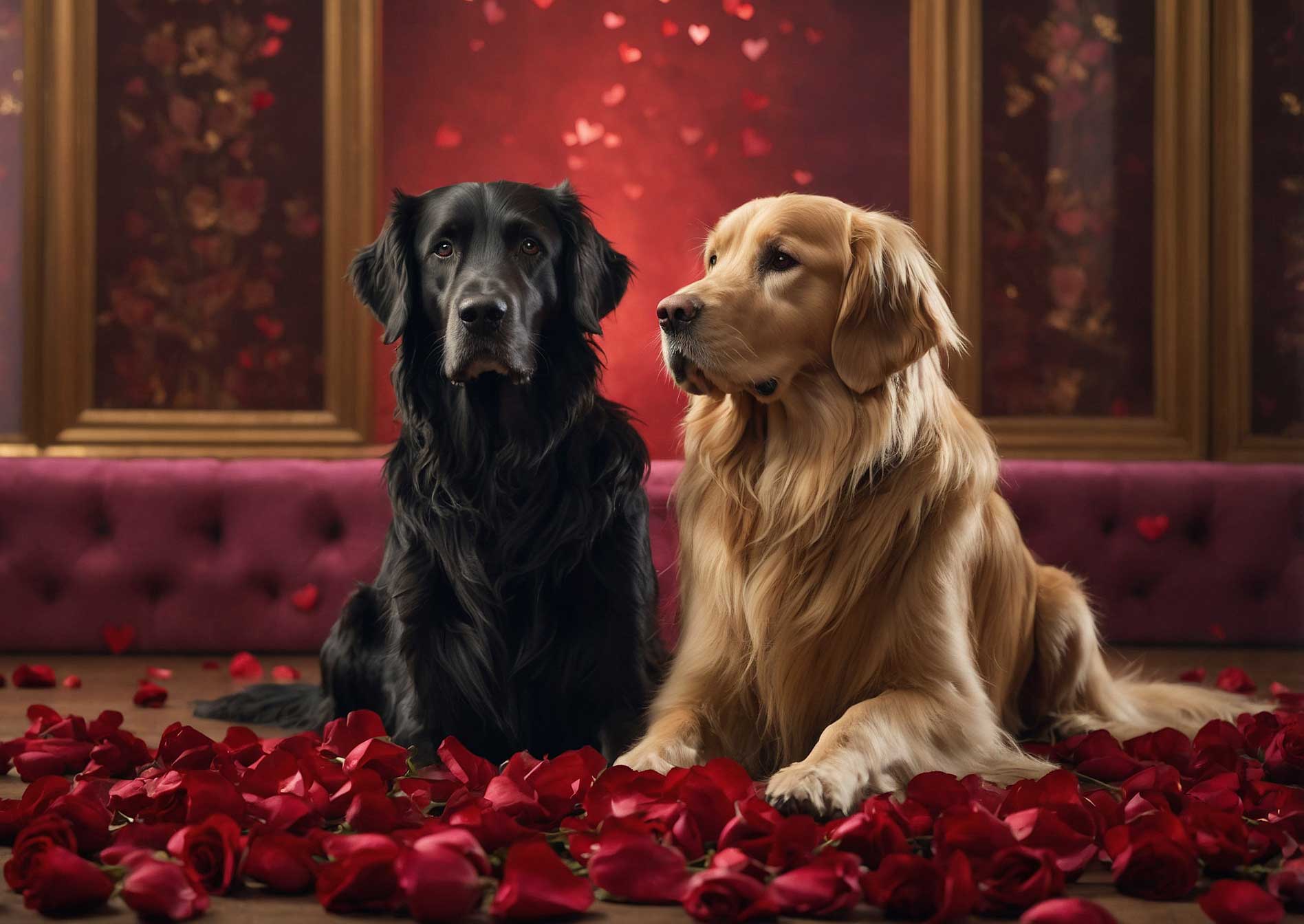
Dogs don't fall in love the way humans do. No candlelit dinners. No grand gestures.
Their version of love is quieter, more primal. It's built on scent, routine, and the release of a single hormone that rewires their brain to recognize you as home. Science calls it attachment. Dog owners call it being "their person." Both are right.
What makes one human rise above the rest in a dog's heart? The answer sits at the intersection of biology, timing, and everyday moments most people overlook.
The Science of Canine Attachment

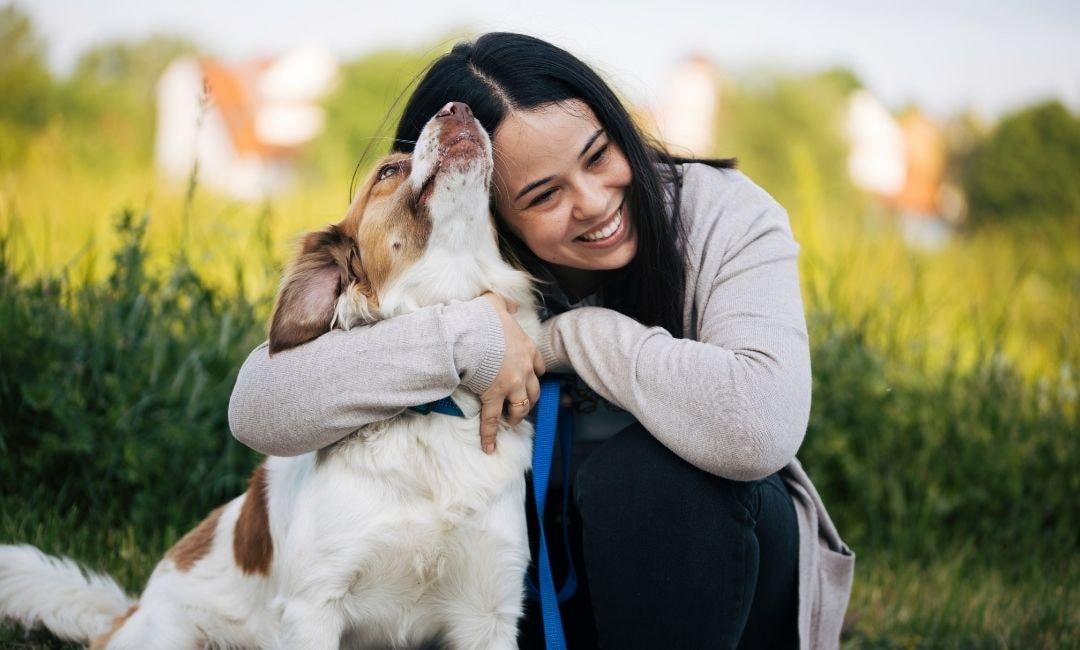
A 2015 study published revealed something remarkable: when dogs and their owners gaze into each other's eyes, both experience a spike in oxytocin. This is the same hormone that bonds mothers to their infants.
The researchers found that dogs who held longer eye contact with their owners showed a 130% increase in oxytocin levels. The owners? A 300% increase. Wolves raised by humans didn't produce the same effect, suggesting this bond evolved specifically through domestication.
What does it mean at Home?
That soft, lingering look your dog gives you isn't random. It's a biological feedback loop designed to strengthen your connection. Every gaze deepens the bond. Every moment of eye contact tells their brain: this is my person.
How to Support It?
-
Engage in soft, relaxed eye contact during calm moments
-
Avoid intense staring, which dogs can interpret as a threat
-
Pair eye contact with a gentle touch or verbal affirmation
How Dogs Choose Their Person

It's not always the person who feeds them. It's not always the one who plays with them most. The selection process involves multiple factors working together.
|
Factor |
Why It Matters |
|
Socialization Period |
Dogs bond most strongly with whoever cares for them between birth and 6 months |
|
Positive Associations |
The person linked to treats, play, and comfort becomes emotionally significant |
|
Consistency |
Predictable routines build trust and security |
|
Energy Match |
Dogs gravitate toward humans whose temperament mirrors their own |
|
Quality Time |
Focused attention beats passive presence every time |
A puppy raised primarily by one person during those first six months often maintains that bond for life. But adult dogs can shift their allegiance. Bonds aren't fixed. They're earned through daily interactions.
A Cultural Note on "One-Person Dogs"
Throughout history, certain breeds earned reputations as fiercely loyal to a single human. German Shepherds, Chihuahuas, Akitas, and Shiba Inus all fall into this category.
But the "one-person dog" phenomenon isn't purely genetic. It reflects how these dogs were historically used. Guarding, herding, and protection work required intense trust between handler and animal. That selective bonding became hardwired over generations.
Today, even breeds known for broad sociability can become deeply attached to one person when the conditions are right.
Signs You're "Their Person"

Dogs communicate attachment through behavior, not words. Here's what to watch for:
Physical Indicators:
-
Following you from room to room
-
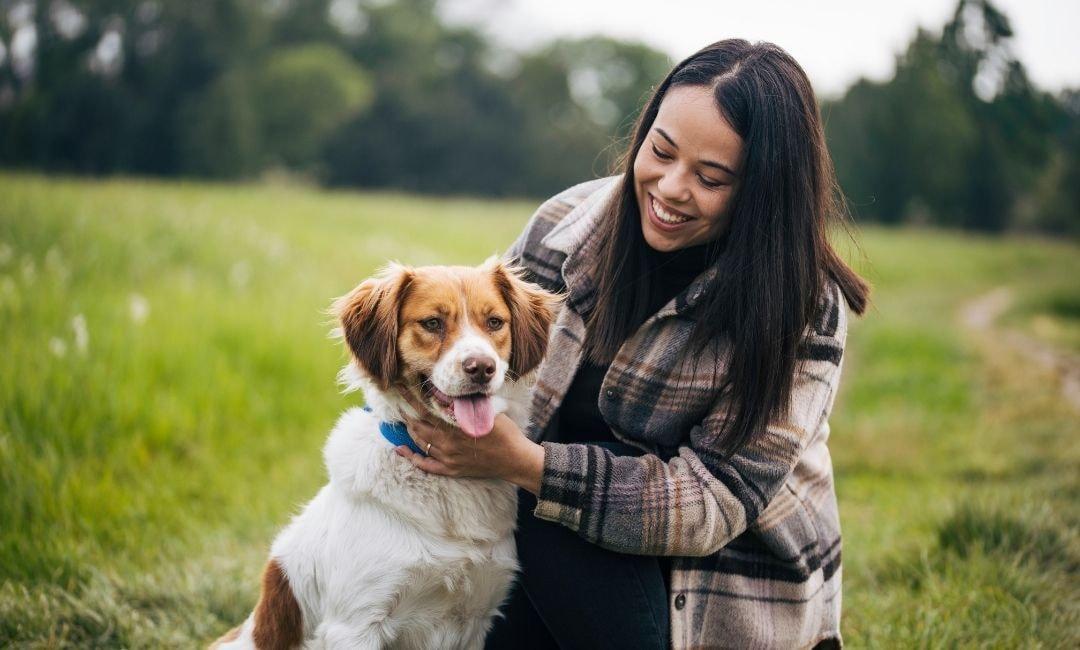
Leaning against your legs or sitting on your feet
-
Bringing you toys or "gifts" without prompting
-
Sleeping in your space (or trying to)
Emotional Indicators:
-
Visible excitement when you return home
-
Seeking you out during stressful situations
-
Maintaining soft eye contact
-
Sighing or relaxing deeply when near you
Pro Tip: Dogs who bring you their favorite toy aren't asking to play. They're sharing something valuable with someone they trust completely.
Building a Stronger Bond
You don't need to be the primary caregiver to become your dog's favorite. You need to be present in ways that matter to them.
Daily Practices:
-
Spend 15 to 30 minutes of focused, one-on-one time daily
-
Use positive reinforcement during training sessions
-
Maintain calm, consistent energy around your dog
-
Engage in activities your dog genuinely enjoys
What to Avoid:
-
Inconsistent routines that create anxiety
-
Harsh corrections that erode trust
-
Ignoring your dog's attempts to connect
Your bond grows through repetition. Every walk, every meal, every quiet evening together deposits trust into the relationship.
Creating a Space That Says "You Belong"

Dogs feel most connected to people who provide safety. Part of that safety is physical: a dedicated space where they can rest, recharge, and feel protected.
Shaggy Chic's Custom Personalized Pet Photo Pillow transforms any corner into a sanctuary that smells like home and looks like love. Pair it with a Velveteen Plush Blanket featuring your dog's photo, and you've created a rest space that reinforces your bond even when you're not in the room.
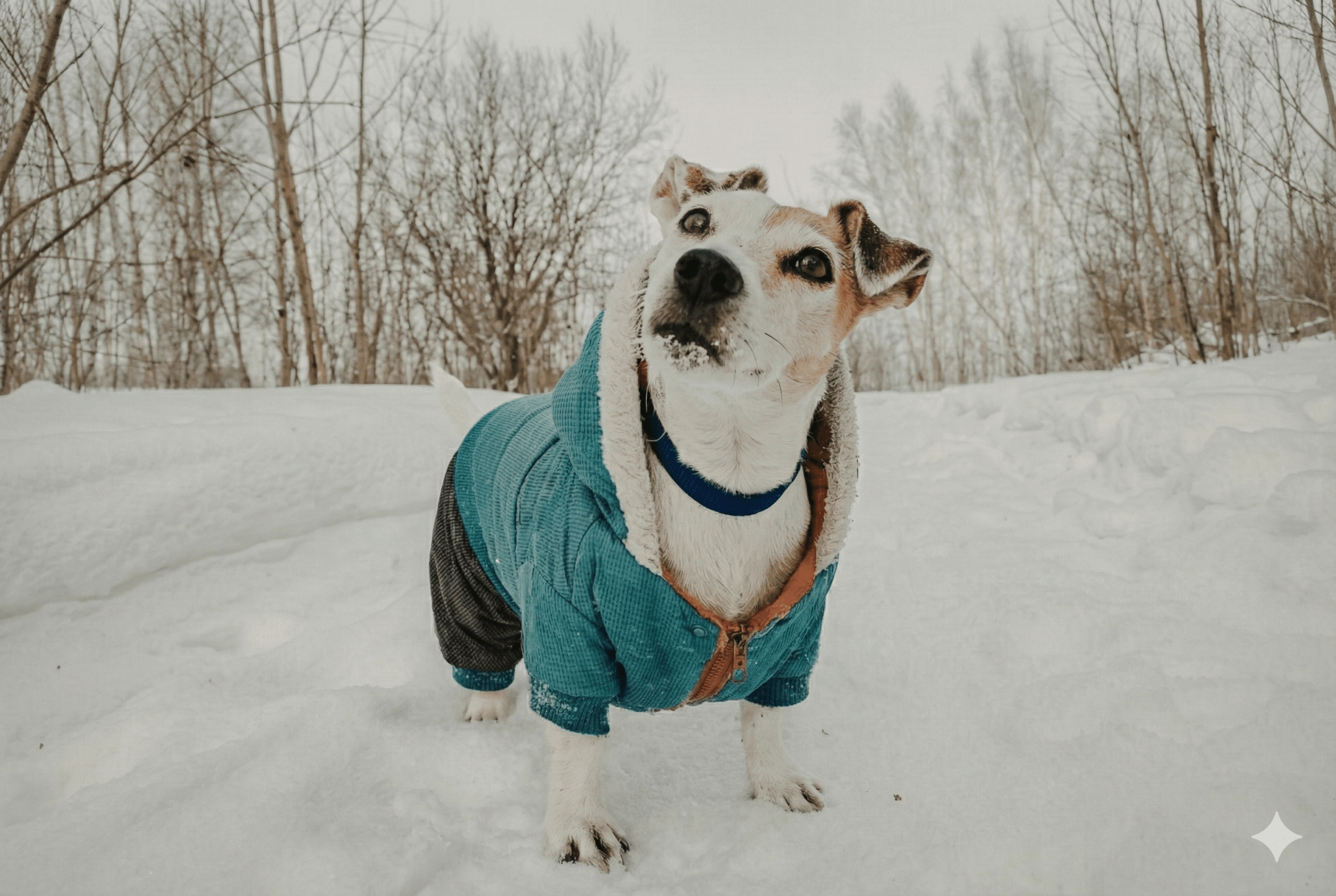
For the dog who follows you everywhere, a Personalized Pet Hoodie lets them carry your scent and identity with them. It's wearable comfort that strengthens the connection.
Conclusion
Dogs fall in love through chemistry, consistency, and countless small moments. The oxytocin feedback loop, the critical socialization window, and daily positive associations all shape who becomes "their person." It's not magic. It's biology meeting behavior.
Want to celebrate the bond you share with your dog? Browse Shaggy Chic's collection of personalized pet apparel, custom blankets, and photo pillows to create products that honor your unique connection. Your dog chose you. Now you can show them you'd choose them right back.
FAQs
Can a dog's favorite person change over time?
Yes. Dogs adapt to life changes. A new caregiver, a shift in routine, or major life events can influence who they bond with most strongly. Consistency and quality time are the biggest factors in maintaining or building that connection.
Why does my dog prefer someone who doesn't take care of them?
Dogs form bonds based on positive associations, not just caregiving. If someone always plays with them, gives treats, or matches their energy level, that person may become the favorite regardless of who fills the food bowl.
Do all dogs bond with just one person?
Not all dogs are "one-person dogs." Breed, socialization history, and individual temperament all play roles. Some dogs spread their affection broadly, while others form intense attachments to a single human.
How long does it take for a dog to bond with a new owner?
Most dogs begin forming attachments within the first few weeks. A strong bond typically develops over 3 to 6 months of consistent, positive interaction. Adult rescue dogs may take longer, depending on their history.
Does eye contact really strengthen my bond with my dog?
Yes. Research confirms that mutual gazing increases oxytocin in both dogs and humans. Soft, relaxed eye contact during calm moments is one of the most effective ways to deepen your connection.
:%20Your%20dog%20didn't%20choose%20you%20randomly.%20They%20chose%20you%20chemically,%20emotionally,%20and%20instinctively.%0AEditorial%20Introduction:%0ADogs%20don't%20fall%20in%20love%20the%20way%20humans%20do.%20No%20c...)