

Winter Walks: Layering & Paw Care for Small Dogs
 Cold paws and icy sidewalks don't have to end your dog's favorite part of the day — here's how to keep small pups warm, protected, and ready for winter adventures.
Winter doesn't mean your pup stays cooped up inside. Fresh air and exercise matter year-round, even when the thermometer drops. But small dogs feel the cold fast. Their little bodies lose heat quickly, and those tiny paws hit freezing pavement with every step.
The good news? You can keep your dog comfortable, safe, and stylish on winter walks with the right approach. We're talking layers that actually work, paw protection that stays put, and safety tips that prevent frostbite and hypothermia.
Let's break down how to make winter walks something your small dog looks forward to — not shivers through.
Layering for Warmth
Small dogs need more than just a cute sweater. Their low body mass and proximity to the ground make them vulnerable to cold stress. Here's how to layer smart.
Start With a Base Layer
Think of this as your dog's thermal underwear. A snug-fitting shirt made from moisture-wicking material keeps their core warm without adding bulk.
Fleece works great for dry, cold days. Skip cotton — it traps moisture and makes dogs colder.
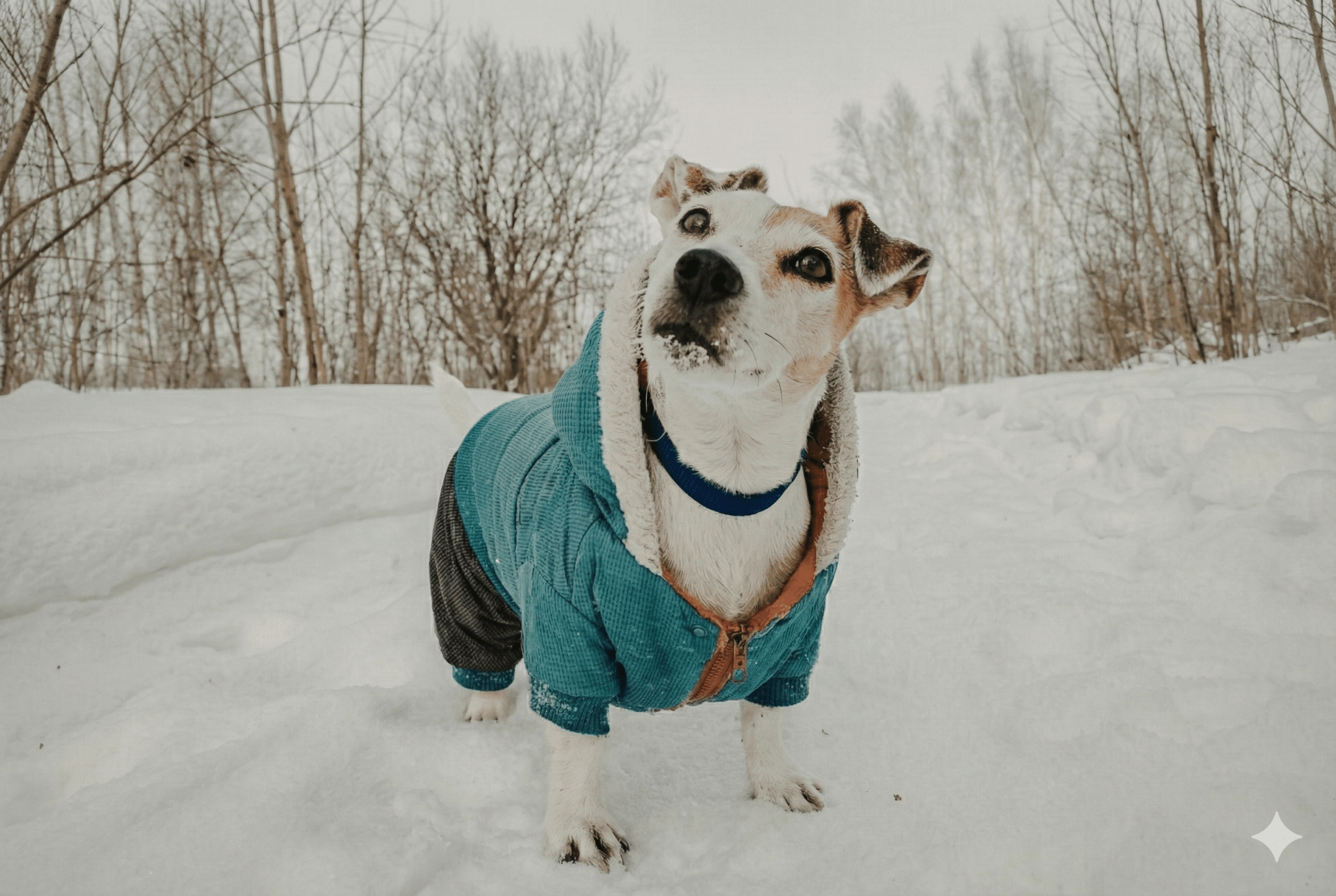
Add an Insulated Coat
Your main winter coat should cover your dog's back, chest, and belly. Look for these features:
-
Water-resistant outer shell
-
Fleece or down insulation
-
Snug fit around neck and chest
-
Full leg movement capability
-
Reflective strips for visibility
Pro tip: Measure your dog before buying. Most brands size by chest girth and back length. A coat that's too loose lets cold air in. Too tight? It restricts movement and causes chafing.
Consider a Hood or Neck Warmer
Breeds with thin coats (like Chihuahuas or Italian Greyhounds) lose significant heat through their heads and necks. A hood or snood adds extra protection without making your dog look like a walking marshmallow.
When to Skip the Layers
If your dog has a thick double coat (Pomeranians, for example), they may overheat with too many layers.
Watch for these signs:
-
Excessive panting
-
Slowing down significantly
-
Trying to remove their coat
-
Seeking cold surfaces
Paw Protection
Paws take a beating in winter. Ice, salt, snow, and freezing pavement can cause cracks, burns, and frostbite. Here's your complete paw care strategy.
Choose the Right Dog Booties
Yes, your dog will walk funny at first. But booties are the best protection against salt, ice, and cold surfaces.
What to Look For:
|
Feature |
Why It Matters |
|
Rubber soles |
Provides traction on ice |
|
Adjustable straps |
Stays secure during activity |
|
Water-resistant material |
Keeps paws dry |
|
Reflective elements |
Increases visibility |
Breaking In Your Dog's Booties
Start bootie training indoors. Put them on for short periods with treats and praise. Most dogs adjust within a week.
-
Day 1-2: Let them wear booties for 5 minutes indoors
-
Day 3-4: Extend to 10 minutes with movement
-
Day 5-6: Short outdoor trips (5 minutes)
-
Day 7+: Full winter walks
Use Paw Balm Before Walks
If booties aren't happening, paw balm creates a protective barrier. Apply it 10-15 minutes before heading out.
Look for balms with:
-
Shea butter
-
Coconut oil
-
Beeswax
-
Vitamin E
Reapply after walks to heal any minor cracks or dryness.
Create a Post-Walk Paw Station
Salt and chemical de-icers burn paw pads and are toxic if licked. Set up a designated spot by your door for paw care.
Keep a personalized pet feeding mat in this area. It catches water and dirt while you rinse and dry, keeping your floors clean and giving your pup a designated spot. The custom design makes it easy to identify your dog's station if you have multiple pets.
Your Paw Care Routine:
-
Rinse paws with lukewarm water
-
Dry thoroughly between toes
-
Check for cuts or irritation
-
Apply healing balm if needed
-
Reward with a treat
Daily Paw Inspections
Check for:
-
Redness or swelling
-
Cracks or bleeding
-
Ice chunks between toes
-
Salt residue
Trim fur between paw pads to reduce ice ball buildup.
Pro tip: If your dog suddenly lifts a paw or refuses to walk, check for ice chunks or salt burns immediately. Don't wait until you get home.
Winter Walk Safety
Cold weather brings unique risks. Here's how to keep walks safe without cutting them short.
Know the Temperature Limits
Small dogs can develop hypothermia when temperatures drop below 45°F. Below 32°F, frostbite becomes a real risk.
Cold Weather Risk Chart:
|
Temperature |
Risk Level |
Action Required |
|
45°F+ |
Low |
Monitor behavior |
|
32-45°F |
Moderate |
Use coat, shorten walk |
|
20-32°F |
High |
Full layers, 10-15 min max |
|
Below 20°F |
Severe |
Skip walk or potty only |
Recognize Cold Stress Signals
Watch your dog's behavior more than the thermometer.
Signs your dog is too cold:
-
Shivering or trembling
-
Whining or barking
-
Lifting paws repeatedly
-
Slowing down significantly
-
Tucked tail
-
Hunched posture
-
Reluctance to move
Shorten Walk Duration
Your usual 30-minute loop? Cut it in half when temps drop.
Multiple short walks beat one long frozen trek. Small dogs lose body heat faster, so 10-15 minutes might be their max in extreme cold.
Navigate Winter Terrain Safely
Avoid These Hazards:
-
Black ice: Nearly invisible and slippery. Test surfaces with your foot first.
-
Frozen puddles: Can crack under weight, soaking paws.
-
Deep snow: Small dogs can get stuck or lose heat fast.
-
Salted sidewalks: Burning chemicals that damage paws.
Stick to cleared sidewalks or grassy areas when possible. If you must cross ice, slow down and keep the leash short for better control.
Stay Visible in Dark Weather
Winter means darker mornings and evenings. Make yourself and your dog visible:
-
Light-up collar or vest
-
Reflective leash
-
LED clip-on lights
-
Bright-colored coat
Pack Emergency Supplies
Keep a small bag with:
-
Extra paw balm
-
Collapsible water bowl
-
Lightweight emergency blanket
-
High-value treats
-
Small towel
-
Your vet's phone number
Watch for Antifreeze Spills
Antifreeze spills are common in winter and smell sweet to dogs. Even small amounts are deadly. Keep your dog away from puddles in parking lots and driveways.
Look for:
-
Green or pink liquid
-
Sweet smell
-
Garage floors
-
Driveway puddles

Post-Walk Recovery
After braving the cold, your pup needs time to warm up gradually.
Create a Cozy Recovery Space
Don't just towel off your dog and move on. Give them a warm spot to decompress. Our custom dog beds feature memory foam comfort with water-resistant covers — perfect for post-walk naps when they're still slightly damp.
Add your dog's photo to the bed. It personalizes their space and makes it easier to train them to go there after walks.
Warm Up Gradually
Don't:
-
Place near direct heat sources
-
Use heating pads on high
-
Give hot water to drink
Do:
-
Let them rest in a warm room
-
Offer room-temperature water
-
Cover with a blanket
-
Monitor for continued shivering
Increase Cold-Weather Calories
Dogs burn more energy staying warm. Consider increasing food portions by 10-15% during the winter months. Talk to your vet about adjusting portions based on activity level.
Gift Ideas for Winter Warriors
Know a fellow small dog owner struggling with winter walks? Practical gifts make a difference.
Check out our gifts for pet lovers collection. Custom feeding mats help with post-walk cleanup. Personalized blankets give dogs a warm recovery spot. Photo pillows add comfort to their favorite napping areas.
These aren't just cute items. They're functional pieces that solve real winter challenges.
FAQs
How cold is too cold for small dogs?
Most small dogs struggle below 45°F and risk hypothermia below 32°F. Breeds with thin coats (Chihuahuas, Greyhounds) need protection at even higher temperatures. Watch behavior over numbers.
Do dogs really need booties?
For winter walks, yes. Salt and de-icers burn paw pads. Ice causes cuts. Booties prevent both while providing traction. If your dog refuses booties, paw balm is your second-best option.
How often should I apply paw balm?
Before and after every winter walk. Pre-walk application protects. Post-walk application heals. Check paws daily for cracks or dryness between walks.
Can small dogs walk in snow?
Absolutely, but keep it brief. Snow is gentler than salted pavement, but small dogs still lose heat fast. Stick to 10-15 minute sessions and watch for shivering.
What's the best winter coat material?
Water-resistant outer shell with fleece or down insulation. Avoid fashion-only coats with no insulation. Your dog needs warmth, not just style.
How do I know if my dog has frostbite?
Look for pale or gray skin, especially on the ears, tail, and paws. The area may feel cold and hard. As it warms, it becomes red and swollen. See a vet immediately if you suspect frostbite.
Should I skip walks on extremely cold days?
You can skip lengthy walks, but dogs still need bathroom breaks and mental stimulation. Keep outdoor time to 5 minutes for potty only. Supplement with indoor play and training.
Conclusion
Winter walks don't have to be miserable. With the right layering, paw protection, and safety awareness, your small dog can enjoy the season comfortably.
The key is preparation. Get the gear sorted before the first freeze hits. Train your dog to accept booties and coats. Set up your post-walk paw care station.
Your dog still needs exercise, fresh air, and outdoor enrichment when it's cold. You're just adapting your routine to keep them safe and warm.
Shop the collection at ShaggyChic.com 🐶 | Follow @shaggychicinc ✨
dog winter care, winter dog walks, paw protection