

Winter Dog Care Tips for a Cozy Season
 When temperatures drop, your dog needs more than a cozy blanket — discover the indoor warmth strategies, walk adjustments, and skin care routines that keep tails wagging all season.
Winter hits different when you have a dog. Your furry friend doesn't get to choose whether they go outside when it's freezing. They depend on you to keep them comfortable, healthy, and warm.
But winter dog care goes beyond tossing a sweater on them and calling it a day. We're talking indoor warmth strategies, cold-weather walk adjustments, and skin and paw care routines that prevent painful cracking and dryness.
Small dogs especially need extra attention. Their tiny bodies lose heat faster than larger breeds. Let's make sure your pup stays cozy and healthy all season long.
Warmth Indoors
Your home is your dog's sanctuary when temps drop. But central heating creates its own challenges. Dry air affects their skin and paws. Cold floors zap body heat. Drafty windows make cozy corners not so cozy.
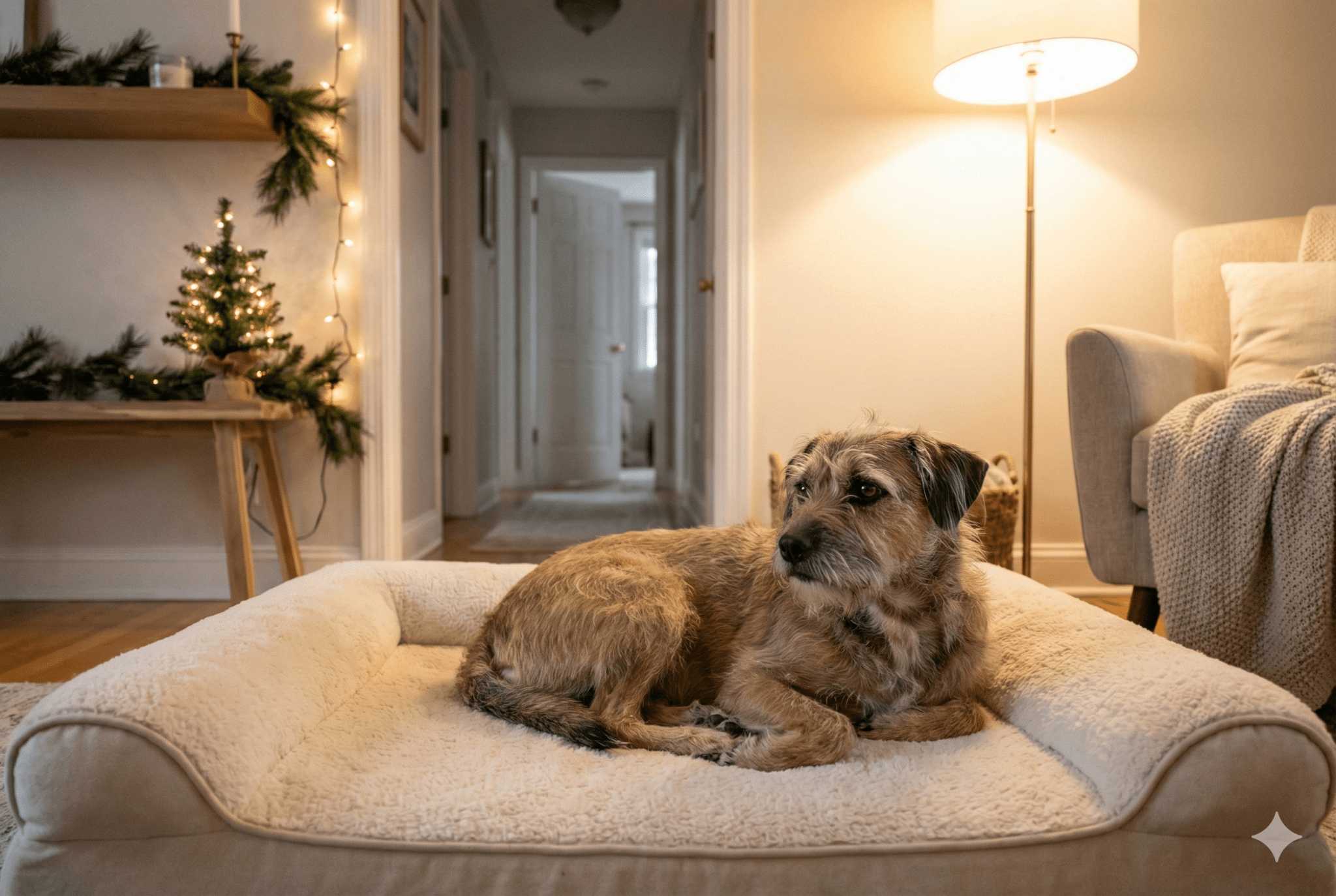
Set Up Warm Sleeping Areas
Dogs naturally seek warm spots to sleep. Make those spots really warm. Place their bed away from exterior walls and windows where drafts sneak in. Elevated beds keep them off cold floors.
A personalized dog bed with memory foam provides insulation from cold surfaces while supporting joints. The water-resistant cover matters more in winter than you'd think — wet paws from outdoor trips won't soak through to the foam.
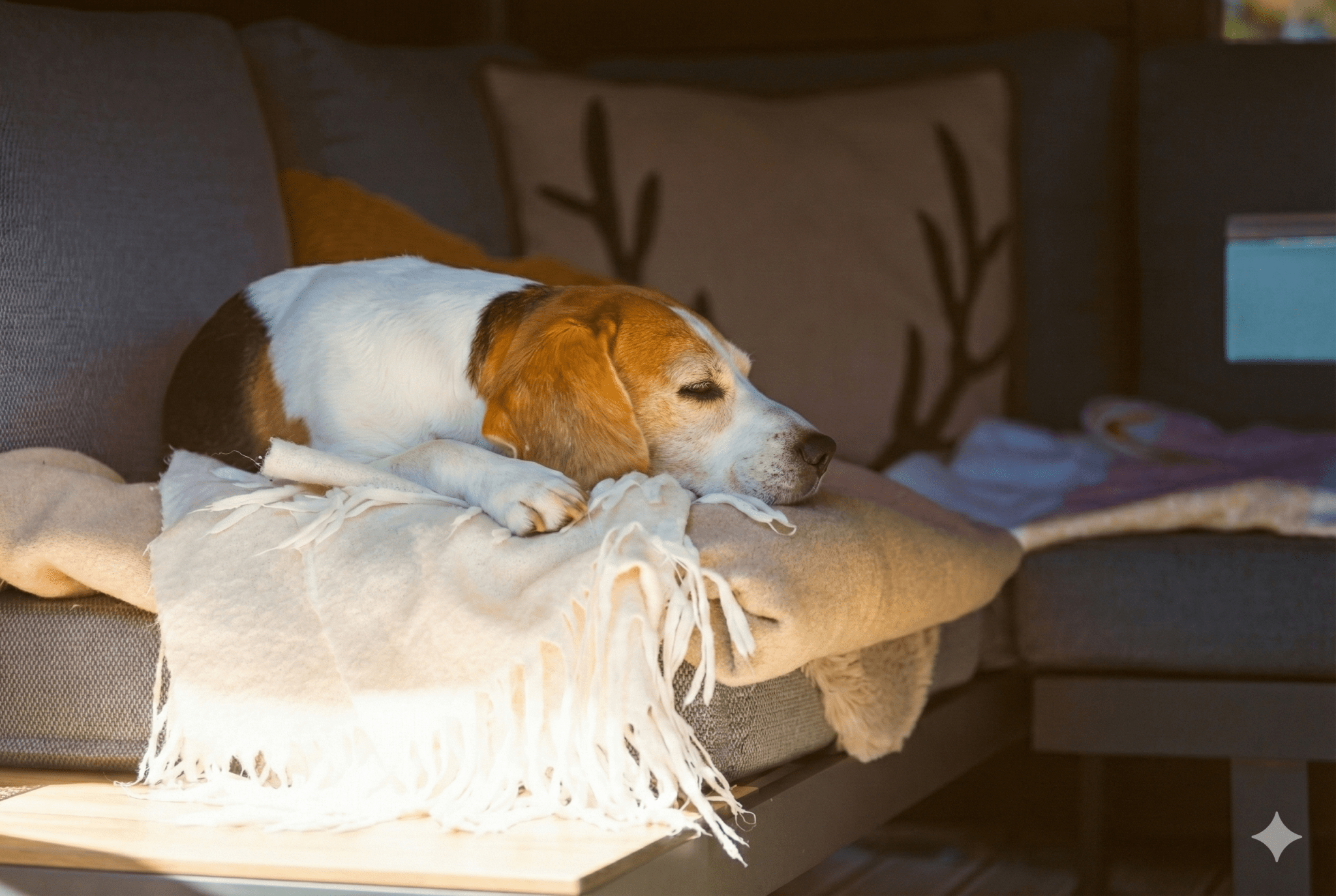
Pro tip: Add a fleece blanket they can burrow under. Small dogs love creating little nests when they're cold.
Maintain Proper Indoor Temperature
Keep your thermostat between 68-72°F. Lower than that, and small dogs start feeling chilly. Watch for these signs that your home is too cold:
-
Your dog seeks sunny spots constantly
-
They curl into tight balls when sleeping
-
Shivering while resting indoors
-
Reluctance to leave their bed
Address Dry Air Issues
Forced air heating strips moisture from the air. This dries out your dog's skin, nose, and paw pads. Run a humidifier in rooms where your dog spends the most time. Aim for 30-50% humidity.
You'll notice fewer static shocks when petting them. Their skin will look healthier. Their nose won't crack and bleed.
Block Drafts
Check windows and doors for air leaks. That cold breeze you barely notice? Your dog feels it intensely when they're sleeping on the floor nearby. Use draft stoppers or rolled towels to block gaps under doors.
Create Multiple Cozy Zones
Don't limit your dog to one sleeping spot. Set up warm areas in different rooms so they can follow you around the house without sacrificing comfort. Small blankets, cushions, or even folded towels work.
Our custom pet blankets are machine washable and feature your dog's photo — making it easy to identify which blanket belongs to which pet if you have multiple dogs.
Watch for Overheating
Dogs can't regulate temperature as efficiently as humans. Signs they're too warm:
-
Excessive panting while resting
-
Seeking tile floors or cool surfaces
-
Restlessness
-
Drooling more than usual
Consider Heated Pet Beds (Carefully)
Electric heated beds can help, but use them cautiously. Never leave them on unsupervised. Choose low-wattage options with chew-resistant cords. Many dogs do fine with regular beds and blankets — heated versions aren't mandatory.
Walks in Cold
Winter walks require strategy. You can't just clip the leash and go like you do in summer. Preparation makes the difference between a miserable experience and an enjoyable outing.
Time Your Walks Strategically
Walk during the warmest part of the day — usually between noon and 2 PM. Mornings and evenings are coldest. Even a few degrees matter for small dogs.
Weekends? Plan walks around sunshine rather than your preferred schedule.
Shorten Duration Based on Temperature
Use this guideline:
-
Above 45°F: Normal walk length
-
32-45°F: Cut walk time in half
-
20-32°F: 10-15 minutes maximum
-
Below 20°F: Potty breaks only
Your dog might protest the shorter walks. Compensate with indoor play and training sessions.
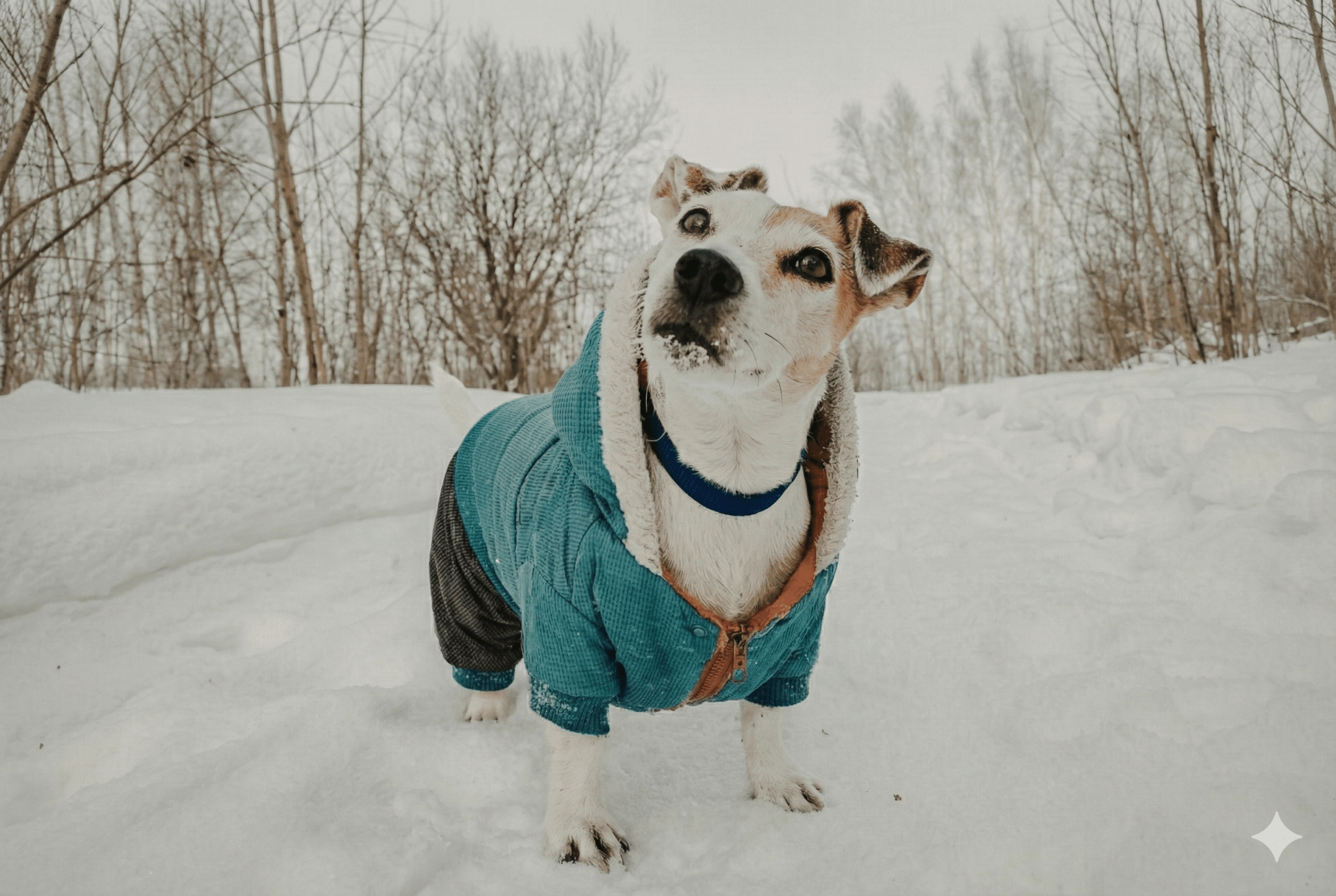
Layer Your Dog Properly
Not all winter gear is created equal. Your dog needs:
A water-resistant coat that covers their back and belly. Fleece-lined options work best. The coat should fit snugly without restricting movement. Measure your dog before buying — chest girth and back length matter most.
For extra-cold days, add a base layer underneath. Thin, moisture-wicking shirts trap body heat without adding bulk.
Protect Those Paws
Cold pavement burns paw pads. Salt and de-icers cause chemical burns. Ice cuts delicate skin. Dog booties solve all three problems.
If your dog refuses booties, apply paw balm before every walk. Reapply after walks to heal any damage.
Pro tip: Keep a personalized feeding mat by your door for post-walk paw cleaning. It contains the mess while you rinse and dry their feet.
Stay Visible
Shorter days mean more walks in low light. Reflective gear isn't optional. LED collars, reflective vests, and light-up leashes keep you both safe from traffic.
Bring Water
Dogs still need hydration in cold weather. They just don't pant as much, so you forget. Bring a collapsible bowl and water bottle on longer walks.
Watch for Immediate Cold Stress
Stop the walk immediately if your dog:
-
Lifts paws repeatedly
-
Whines or barks unusually
-
Slows down significantly
-
Shivers
-
Tucks their tail
Head home and warm them up gradually.
Skin & Paw Care
Winter wreaks havoc on your dog's skin and paws. Dry air indoors, harsh conditions outdoors, and reduced grooming frequency all contribute. Here's your winter skin care strategy.
Adjust Bathing Frequency
Bathing strips natural oils that protect skin. In winter, those oils are precious. Reduce bath frequency to once every 4-6 weeks unless your dog gets truly dirty.
When you do bathe:
-
Use lukewarm (not hot) water
-
Choose moisturizing shampoos
-
Rinse thoroughly
-
Dry completely before going outside
Moisturize Paw Pads Daily
Paw pads crack and bleed in winter. Daily moisturizing prevents this. Apply dog-safe paw balm before bed so it has time to absorb overnight.
Look for balms with these ingredients:
-
Shea butter
-
Coconut oil
-
Beeswax
-
Vitamin E
Avoid human lotions — dogs lick their paws, and many ingredients aren't safe to ingest.
Trim Paw Fur Regularly
Fur between paw pads collects ice, snow, and salt. This causes painful ice balls and chemical burns. Trim this fur every 2-3 weeks.
Use blunt-tip scissors. Work slowly. One slip can cause serious injury. If you're nervous, ask your groomer or vet to do it.
Address Dry Nose Issues
Crusty, cracked noses are common in winter. Apply a thin layer of nose balm daily. The same paw balm usually works for noses, too.
Check for Hot Spots
Dry skin gets itchy. Itching leads to scratching. Excessive scratching creates hot spots — raw, inflamed patches of skin that can get infected quickly.
Catch them early:
-
Check skin during petting sessions
-
Look for redness or hair loss
-
Notice excessive licking or scratching
-
Address immediately with vet-approved treatments
Brush More Frequently
Winter coats grow thicker. More fur means more tangles, mats, and trapped debris. Brush your dog 3-4 times weekly. This distributes natural oils, removes dead hair, and prevents mats.
Plus, it's bonding time. Dogs love the attention.
Use a Humidifier
We mentioned this earlier, but it bears repeating. Humidifiers help skin stay hydrated. Place one in the room where your dog sleeps. Clean it weekly to prevent mold and bacteria growth.
Monitor Diet and Hydration
Healthy skin starts from the inside. Make sure your dog:
-
Drinks adequate water (some dogs drink less in cold weather)
-
Eats high-quality food with omega-3 fatty acids
-
Gets supplements if recommended by your vet
Post-Walk Paw Rinses
Salt and de-icers are toxic. Rinse paws after every walk. Use lukewarm water and dry thoroughly, especially between toes. Moisture trapped between pads leads to fungal infections.
Create a consistent routine. Your dog will learn to go straight to their paw-cleaning station after walks.
Watch for Frostbite
Frostbite affects ears, tails, and paws most commonly. Look for:
-
Pale or gray skin
-
Cold, hard tissue
-
Pain when touched
-
Redness and swelling as it warms
See a vet immediately if you suspect frostbite. Don't try to warm the area quickly — gradual warming prevents additional tissue damage.
FAQs
How often should I apply paw balm in winter?
Daily at a minimum. Apply before outdoor activities for protection and before bed for healing. If your dog walks on salted surfaces, apply after every walk, too.
Can I use a space heater for my dog?
Only with supervision. Space heaters pose fire and burn risks. If you use one, keep it several feet from your dog's bed. Never leave it on when you're not home.
Should I change my dog's diet in winter?
Most dogs need slightly more calories in winter to maintain body heat. Increase portions by 10-15% if your dog seems hungry or loses weight. Check with your vet first.
How do I know if my house is too cold for my dog?
Watch their behavior. Constant shivering, seeking warm spots obsessively, or refusing to leave their bed are signs. Small dogs and senior dogs feel cold more intensely.
Is it normal for my dog to drink less water in winter?
Dogs often drink less because they're not panting as much. But dehydration is still a risk. Offer water frequently. Add warm water to their food to increase intake.
Can dry winter air cause nosebleeds in dogs?
Yes. Extremely dry air cracks nasal passages, causing bleeding. Use a humidifier and apply nose balm daily to prevent this.
Should I let my dog's winter coat grow out?
For double-coated breeds, yes. Their undercoat provides insulation. For single-coated breeds, regular grooming prevents mats while a coat or sweater provides warmth.
Conclusion
Winter dog care isn't complicated. It's about paying attention to small details that add up to big comfort. Your dog can't tell you when they're cold or uncomfortable. You have to watch for signs and adjust accordingly.
Set up warm sleeping areas. Adjust walk routines for cold weather. Maintain consistent skin and paw care. These three pillars keep your dog healthy and happy all season.
After implementing these strategies, you'll notice your dog seems more comfortable. They'll sleep better. Their skin won't itch as much. Walks won't feel like punishment.
That's the goal. Winter should be cozy, not miserable.
Shop the collection at ShaggyChic.com 🐶 | Follow @shaggychicinc ✨
winter dog care, dog warmth tips, paw care winter