
Love Signals: How Dogs Say “I Adore You” Without Words
 They can't say "I love you." But every lean, lick, and lingering gaze says it anyway.
Dogs don't have words. They have something better.
Every tail wag, every sigh, every time they press their body against your leg carries meaning. These aren't random behaviors. They're deliberate signals, refined over 30,000 years of living alongside humans.
The bond between dogs and people runs deeper than most realize. When your dog looks at you, oxytocin floods both your brains. The same hormone that bonds mothers to infants now bonds you to your pup.
Understanding these love signals transforms your relationship. You stop guessing and start knowing what your dog feels.
The Evolution of Canine Communication
Dogs didn't always speak our emotional language. They learned it.
A study published in Proceedings of the National Academy of Sciences revealed something remarkable: dogs evolved a specific facial muscle that wolves don't have. This muscle, the levator anguli oculi medialis, allows dogs to raise their inner eyebrows and create "puppy dog eyes."
This evolution happened in just 33,000 years. A blink in evolutionary time.
Why does it matter?
The eyebrow raise makes dogs' eyes appear larger and more childlike. It resembles the expression humans make when sad. Dogs that produced this look more frequently were favored by humans during domestication, giving them a survival advantage.
Your dog's soulful gaze isn't manipulation. It's millions of years of evolution saying, "We belong together."
Reading Your Dog's Love Language

Dogs communicate constantly. Most owners miss 90% of it. Here's how to decode the signals that matter most.
The Eyes
Soft eye contact is one of the most intimate forms of canine affection. When your dog holds your gaze with relaxed facial muscles and slightly squinted eyes, they're expressing trust and connection.
Research shows that mutual gazing between dogs and owners increases oxytocin in both species. This "love hormone" strengthens your bond with every shared look.
What to watch for:
-
Relaxed brow, not furrowed
-
Slightly squinted or "soft" eyes
-
Slow blinking (similar to how cats show trust)
-
Eyes that follow you around the room
Warning: Hard staring with a tense body can signal a threat. Context matters. Soft eyes in a relaxed dog mean love. Hard eyes in a stiff dog mean something else entirely.
The Tail
Tail wagging isn't always happiness. A stiff, high wag can indicate alertness or aggression. But a loose, full-body wag? That's pure joy.
|
Tail Position |
Movement |
Meaning |
|
Mid-height, relaxed |
Wide sweeping motion |
Happy, affectionate |
|
Mid-height, relaxed |
Circular "helicopter" wag |
Extremely excited to see you |
|
High, stiff |
Quick, tight wag |
Alert, potentially aggressive |
|
Low, tucked |
Slow or no movement |
Fearful, anxious |
|
Natural position |
Gentle side-to-side |
Calm contentment |
Pro Tip: Research suggests dogs wag more to the right when experiencing positive emotions. Watch which direction the wag leans.
Physical Contact
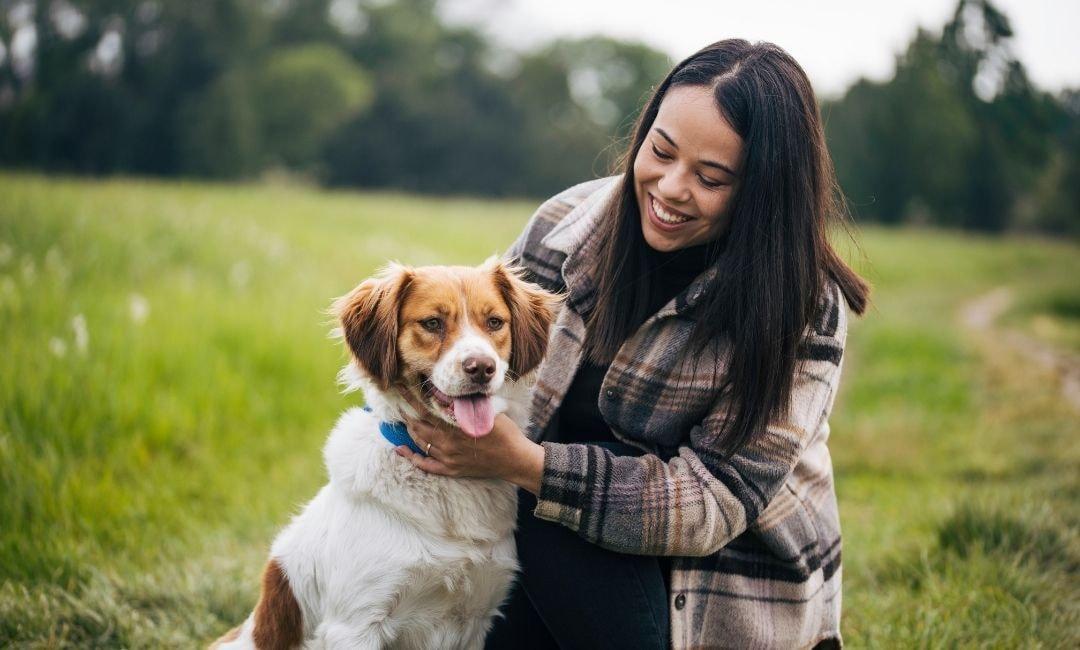
Dogs crave closeness with people they love. The way they seek physical contact reveals their feelings.
-
Leaning: When your dog presses their full weight against your leg, they're saying, "You're my safe place." This behavior mirrors how puppies pile on top of each other for warmth and security. Your dog sees you as their ultimate source of comfort.
-
Following: Does your dog shadow you from room to room? This isn't clinginess. It's an attachment. They simply want to be wherever you are because your presence makes them feel complete.
-
The "Greeting Stretch": If your dog stretches with their front end down and rear end up when they see you, that's a special hello reserved for their favorite people. According to canine body language expert Brenda Aloff, this movement signals you're their "special person."
10 Subtle Signs of Deep Affection

Some love signals are obvious. Others are easy to miss.
-
Bringing you their favorite toy – They're sharing something valuable because they trust you with it
-
Sighing when they settle near you – A deep exhale signals complete relaxation and contentment
-
Sleeping in your space – Dogs are vulnerable when asleep; choosing to rest near you shows ultimate trust
-
Stealing your worn clothes – Your scent comforts them when you're apart
-
Checking on you periodically – Quick glances to confirm you're still there reflect secure attachment
-
Exposing their belly – Rolling over with a relaxed body invites vulnerable contact
-
Resting their chin on you – A subtle request for connection and reassurance
-
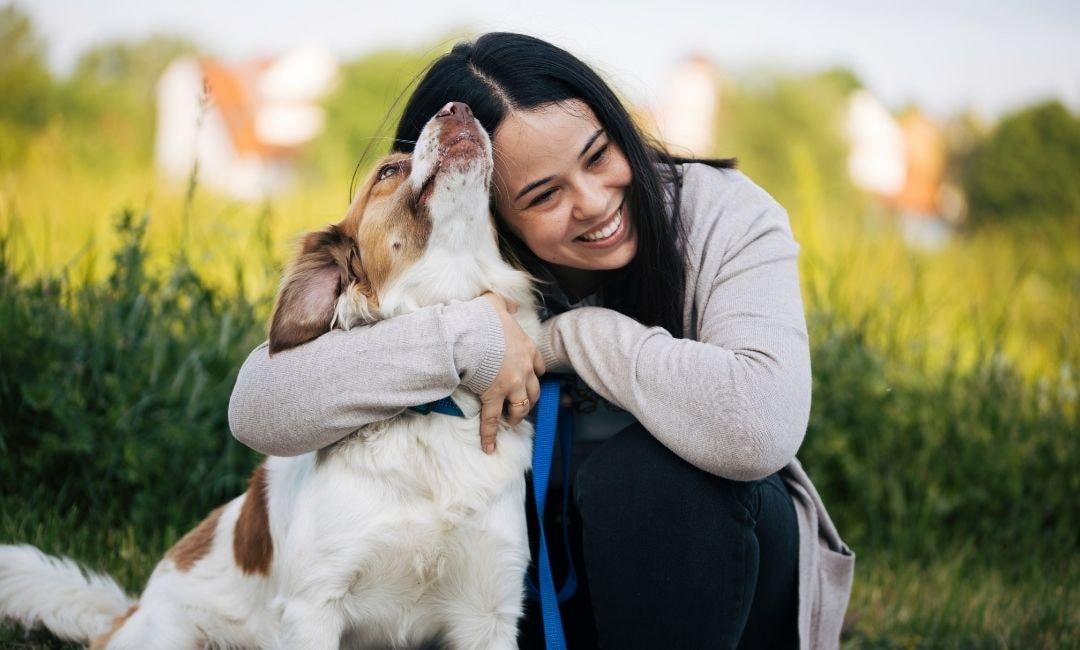
Licking your face or hands – Grooming behavior that mimics how puppies bond with their mothers
-
Responding to your name – Dogs learn the names of people they love and perk up when they hear them
-
Excitement at your return – Even after five minutes, a joyful greeting means you were genuinely missed
What Your Dog's Facial Expressions Really Mean
Dogs make more facial expressions when humans are watching. This isn't a coincidence. It's intentional communication.
The Raised Eyebrow
When dogs lift their inner eyebrows, their eyes appear larger and more expressive. This movement evolved specifically to connect with humans. A 2013 study found that shelter dogs who made this expression more frequently were adopted faster.
The Relaxed Mouth
A slightly open mouth with a lolling tongue indicates a relaxed, happy dog. Some call this a "dog smile." While it's not identical to human smiling, it signals the same emotion: contentment.
The Head Tilt
When your dog tilts their head while you speak, they're actively trying to understand you. This gesture shows engagement and the desire to connect through communication.
Responding to Your Dog's Love
Understanding love signals is only half the equation. Responding appropriately strengthens your bond.
-
Mirror their energy. When your dog greets you excitedly, match their enthusiasm (within reason). Your response validates their emotional expression.
-
Respect their space. Some dogs show love through proximity rather than direct contact. If your dog prefers to lie near you rather than on you, honor that preference.
-
Create rituals. Dogs thrive on routine. A consistent morning greeting, evening walk, or bedtime snuggle becomes a shared love language.
-
Quality over quantity. Brief, focused interactions often mean more than passive coexistence. Ten minutes of active play strengthens your bond more than hours of being in the same room while distracted.
Celebrating the Bond You Share

The love between you and your dog deserves recognition. Not just in daily moments, but in permanent ways that honor your connection.
Shaggy Chic's Custom Pet Photo Memorial Gift (Acrylic Square Plaque) captures your dog's image in a format that lasts. Display it somewhere you'll see it daily, a reminder of the love signals you share.
For everyday celebration, the Custom Personalised Pet Photo Mug turns your morning coffee into a moment of connection. And when you're apart, wrap yourself in a Custom Pet Photo Collage Sweatshirt that keeps your pup close.
Conclusion
Dogs say "I adore you" constantly. Through soft gazes, full-body wiggles, and the simple act of pressing against your leg, they communicate a love that transcends language. The bond between humans and dogs evolved over thousands of years, written into their very muscles and behaviors.
Once you learn to read these signals, you'll never doubt your dog's feelings again.
Ready to honor the bond you share? Explore Shaggy Chic's collection of custom pet photo products, from mugs to sweatshirts to lasting memorial pieces. Because a love this deep deserves to be celebrated in ways you can see, touch, and hold onto.
FAQs
Do dogs actually feel love for their owners?
Research strongly suggests yes. Studies show dogs form attachment bonds similar to human parent-child relationships. Both dogs and humans experience oxytocin spikes during positive interactions, indicating a genuine emotional connection.
Why does my dog stare at me?
Soft, relaxed staring is a sign of affection and trust. This mutual gazing triggers oxytocin release in both species. If the stare is accompanied by a tense body, it may signal something else, so always read the full body language.
Is tail wagging always a sign of happiness?
No. A loose, full-body wag typically indicates happiness, but a stiff, high, or tight wag can signal alertness or aggression. Look at the whole body, not just the tail, to understand your dog's emotional state.
Why does my dog follow me everywhere?
The following behavior indicates secure attachment. Your dog sees you as their safe place and simply wants to be near you. This shadowing is a sign of love, not neediness.
How did "puppy dog eyes" evolve?
Dogs developed a specific facial muscle (levator anguli oculi medialis) after domestication that allows them to raise their inner eyebrows. This expression makes their eyes appear larger and more childlike, triggering nurturing responses in humans. Wolves lack this muscle.